Most homeowners deal with a roof claim once or twice in their lives. Your insurer's adjuster does it every day. That asymmetry is why well-founded claims get underpaid — not usually bad faith, just a homeowner who does not know what should be on the estimate. We handle that side for you.
Handled in-house
We do not hand you off to a third-party adjuster. The people who inspect your roof handle the paperwork.
We meet the adjuster
On the roof, with our documentation, so damage is recorded rather than dismissed from the ground.
Deductibles are never waived
Waiving a deductible is fraud under Texas law. Anyone offering it is telling you what they are.
Where claims go wrong
Damage that is never recorded. An adjuster assessing many properties after a regional hail event works fast. Damage that is not marked and photographed frequently does not make it into the file — and getting it added later is much harder than getting it in first time.
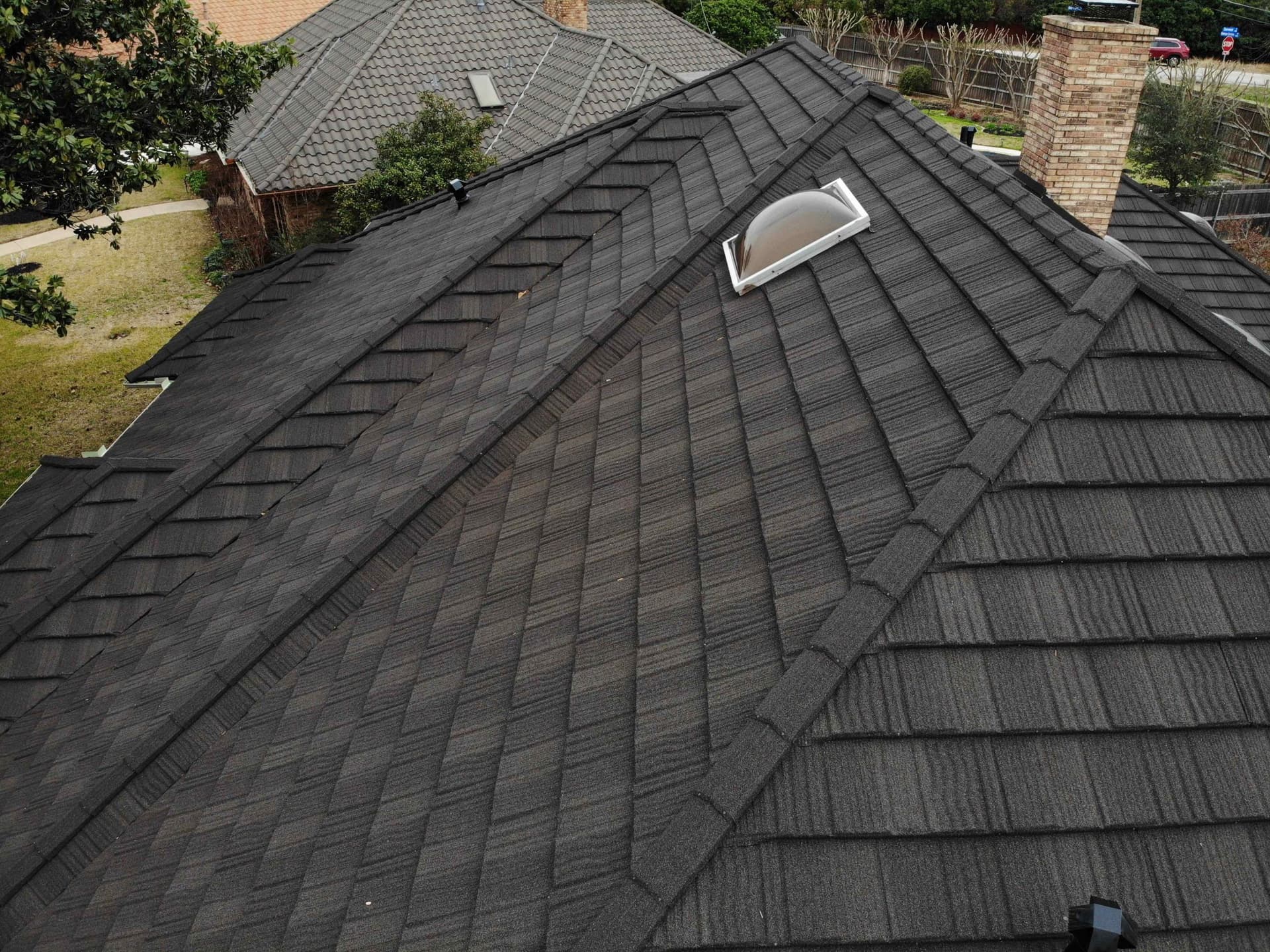
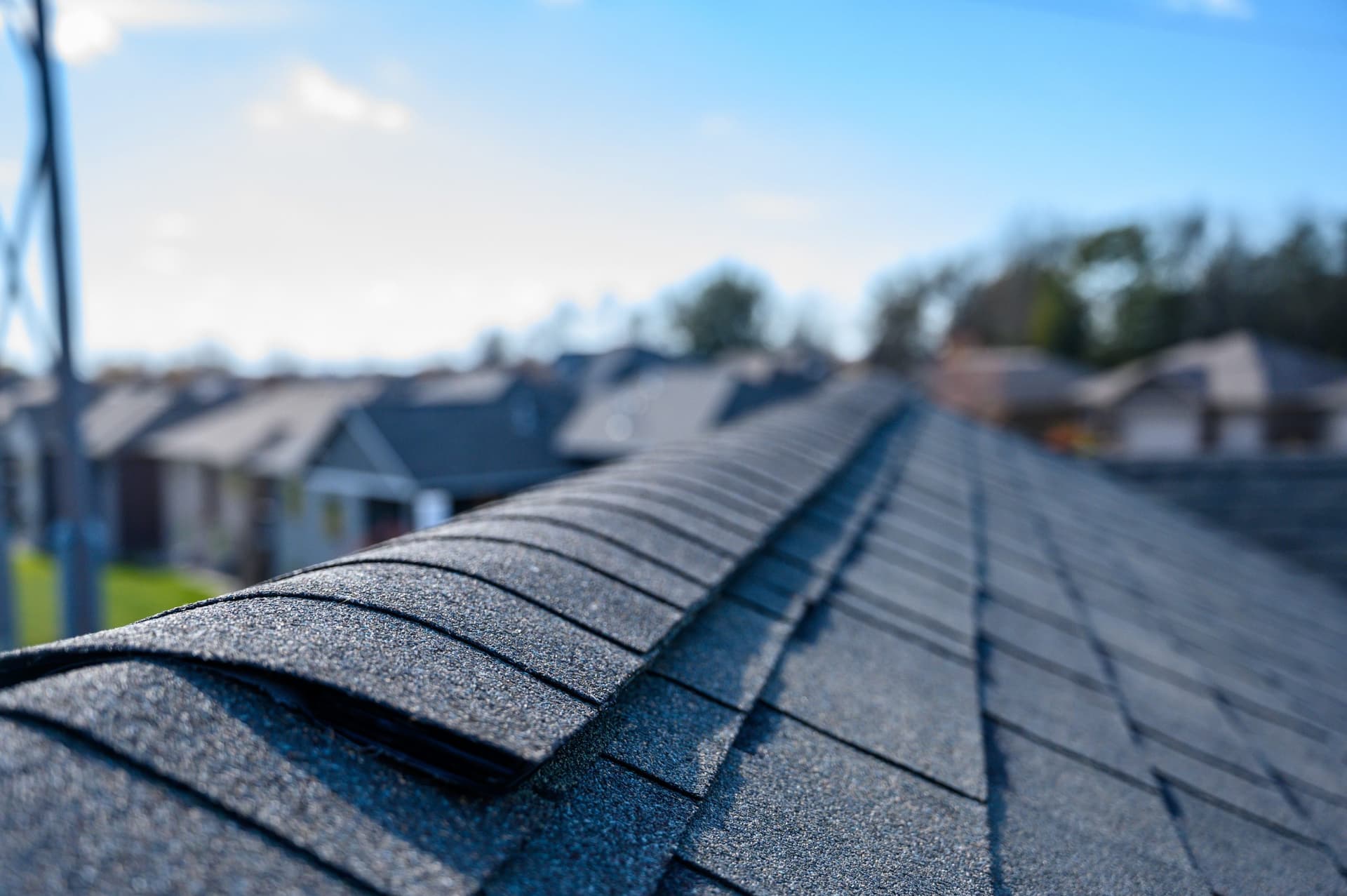
Scopes that miss required items. A roof replacement is not only shingles. Drip edge, ridge venting, ice-and-water shield in valleys, new flashing, and code-required upgrades all belong on the estimate. They are routinely left off.
Filing too late. Policies have reporting expectations, and the longer the gap between the storm and the claim, the easier it is to attribute the damage to something else.
No independent evidence. If the only assessment is the insurer's, there is nothing to weigh against it if you disagree.
What we document
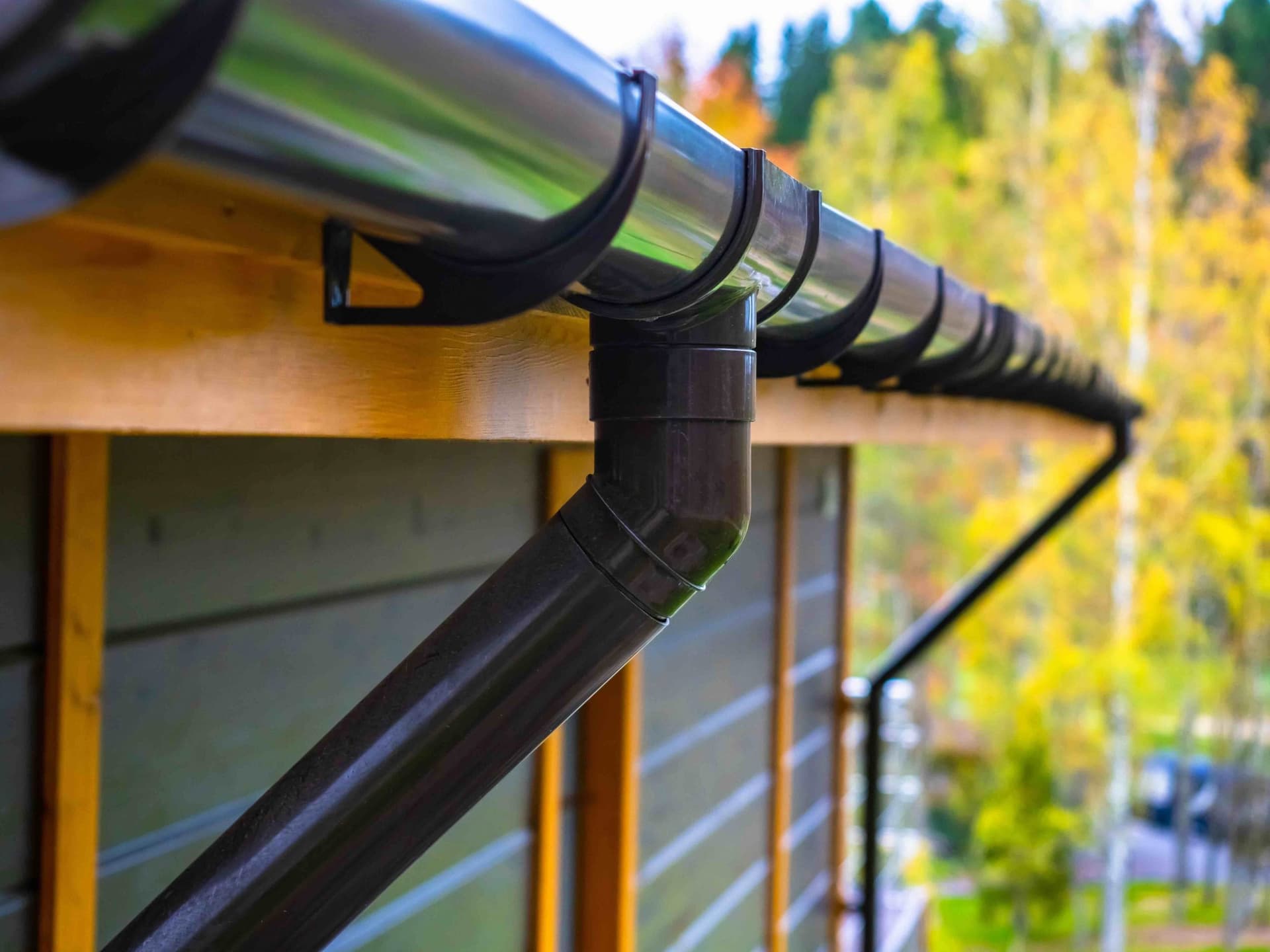
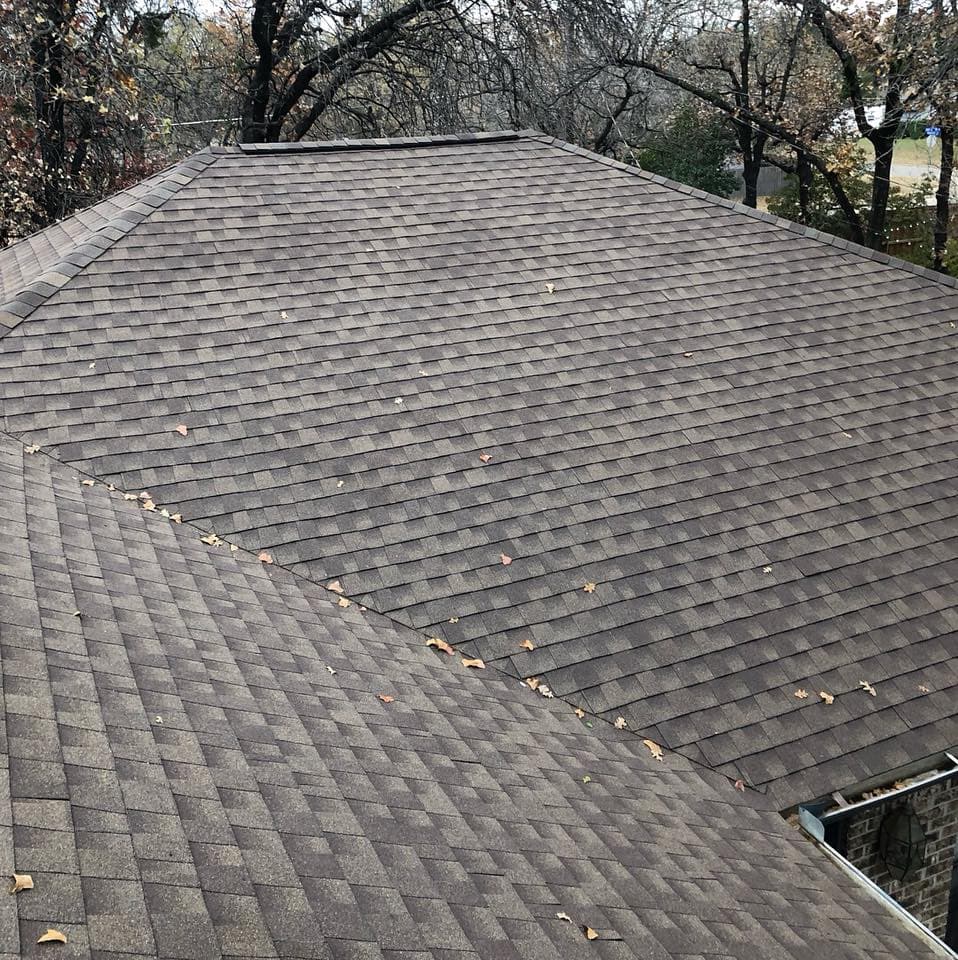
Every claim file we prepare includes photographs of each slope with hail strikes marked, close-ups of representative damage with a scale reference, collateral damage to soft metals — gutters, vents, window screens and siding, which often shows hail more clearly than the roof does — measurements and slope calculations, and a written scope of the work required.
That pack goes to your insurer before the adjuster visits, so they arrive knowing what they are looking at.
Meeting your adjuster
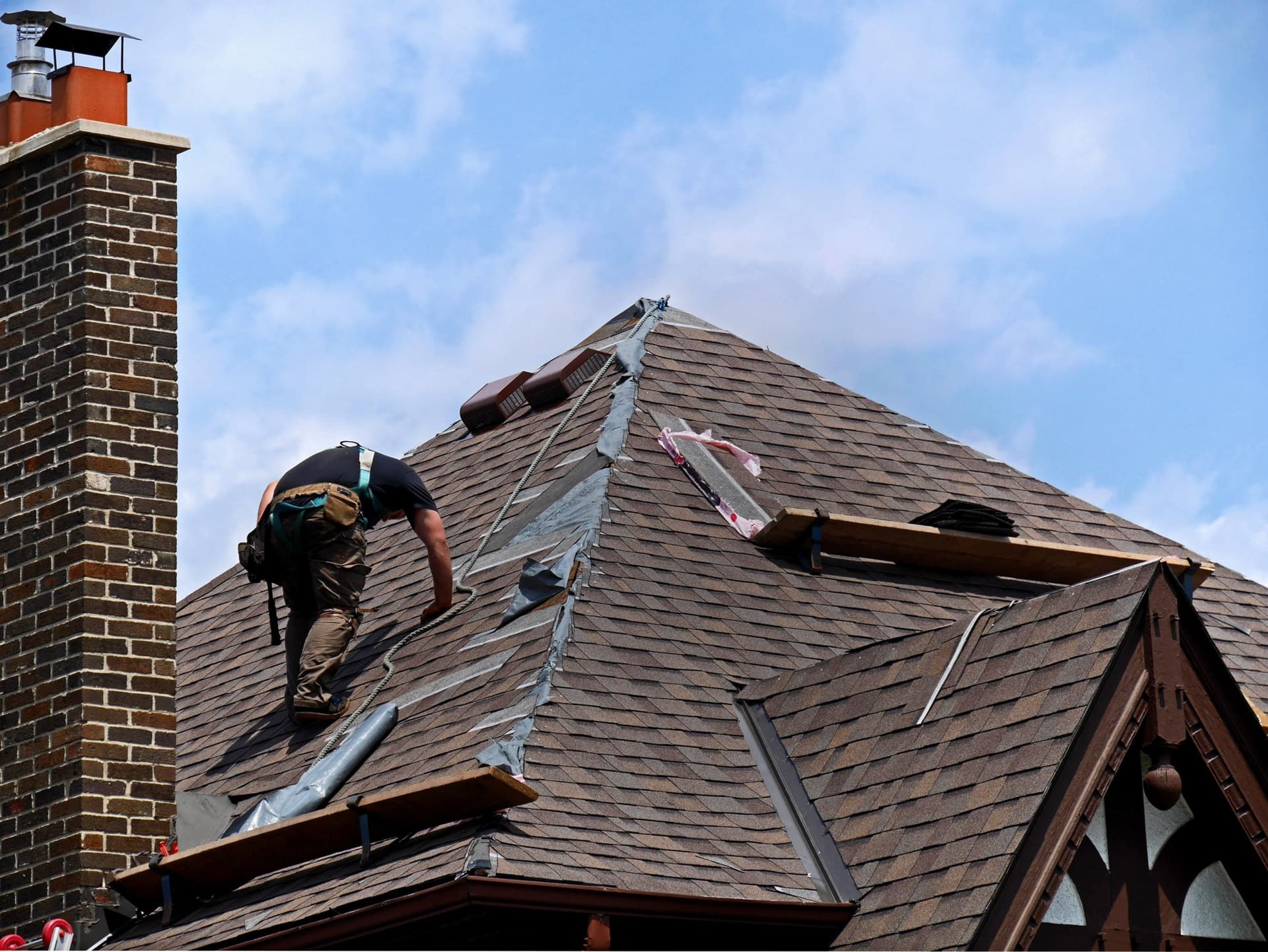
This is the part that most affects your settlement, and it is why we insist on being present. We walk the roof with the adjuster, point out each area of damage, and make sure it is recorded. Where we disagree with an assessment, we raise it there and then, with evidence, rather than by letter three weeks later.
Honest expectations
Not every roof that looks tired has a claimable loss. Age and ordinary wear are not covered by any policy, and a roof that simply reached the end of its life is a maintenance cost, not an insurance one.
We will tell you which situation you are in after a free inspection, before you file anything. Filing a claim that cannot be supported wastes your time and puts a claim on your record for nothing.
How a insurance claims job runs
Free damage assessment
We establish whether you have a claimable loss before you file. Filing a claim you cannot support helps nobody.
Documentation pack
Photographs, measurements and a written scope prepared in the format adjusters work in.
You file the claim
It has to be you — it is your policy. We give you everything you need and talk you through the call.
Adjuster inspection
We are there, on the roof, with our evidence. This is the step that most affects the outcome.
Scope review
We check the insurer's estimate against what the job actually requires and supplement it where it falls short.
Work and final invoicing
We complete the repair and handle the depreciation release paperwork with your carrier.