North Texas sits in one of the most hail-prone corridors in the country. After a significant storm the roofs that get repaired properly are usually the ones that were documented properly — the inspection and the paperwork matter as much as the workmanship, because they decide what your insurer pays.
24/7 emergency response
Active leak or exposed decking? We tarp first to stop the damage spreading, then schedule the permanent repair.
Claim-grade documentation
Photographed, measured and written up in the format adjusters expect.
We meet your adjuster
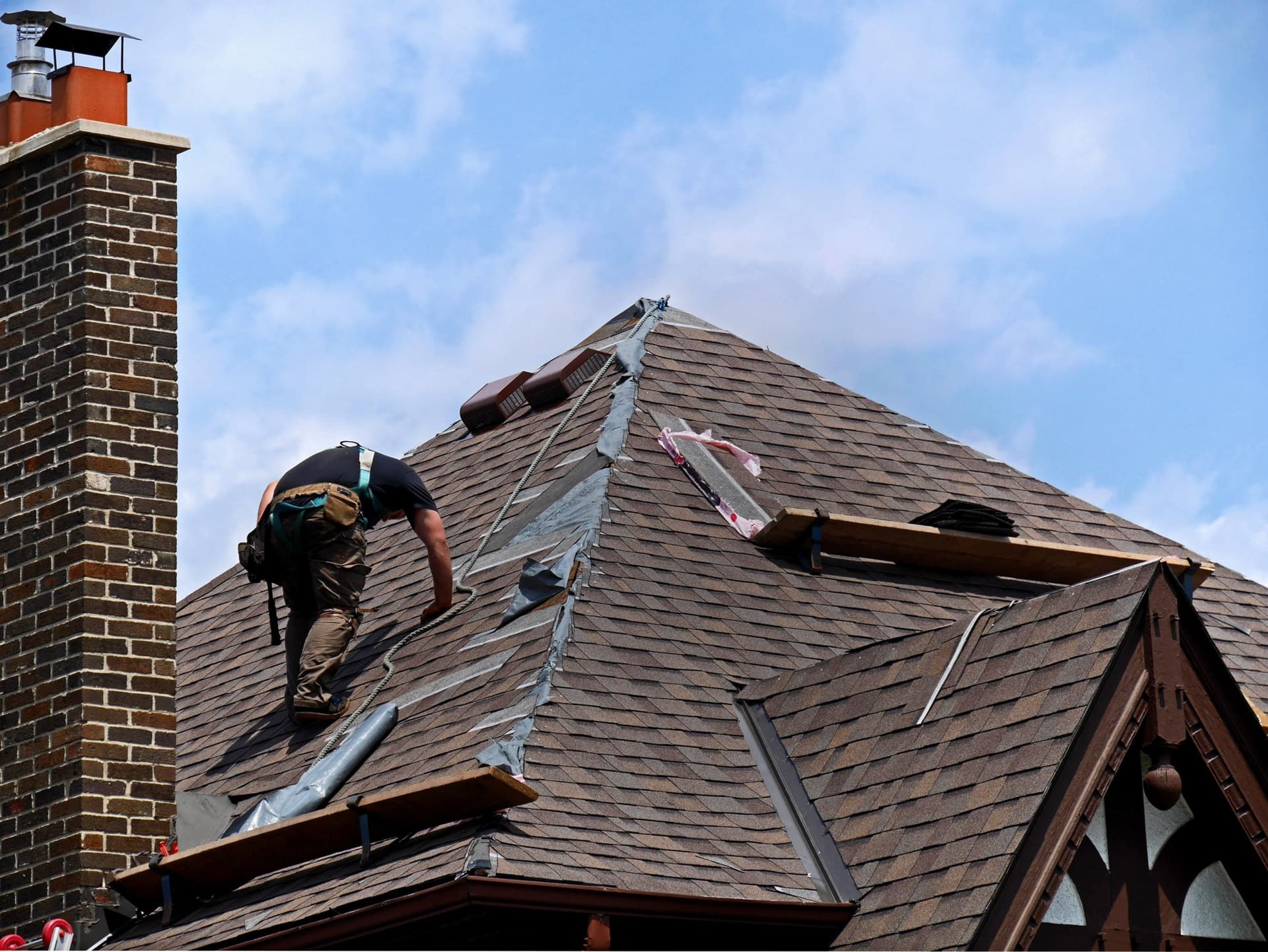
We will be on the roof with them so the damage actually gets seen and recorded.
What Texas storms actually do to a roof
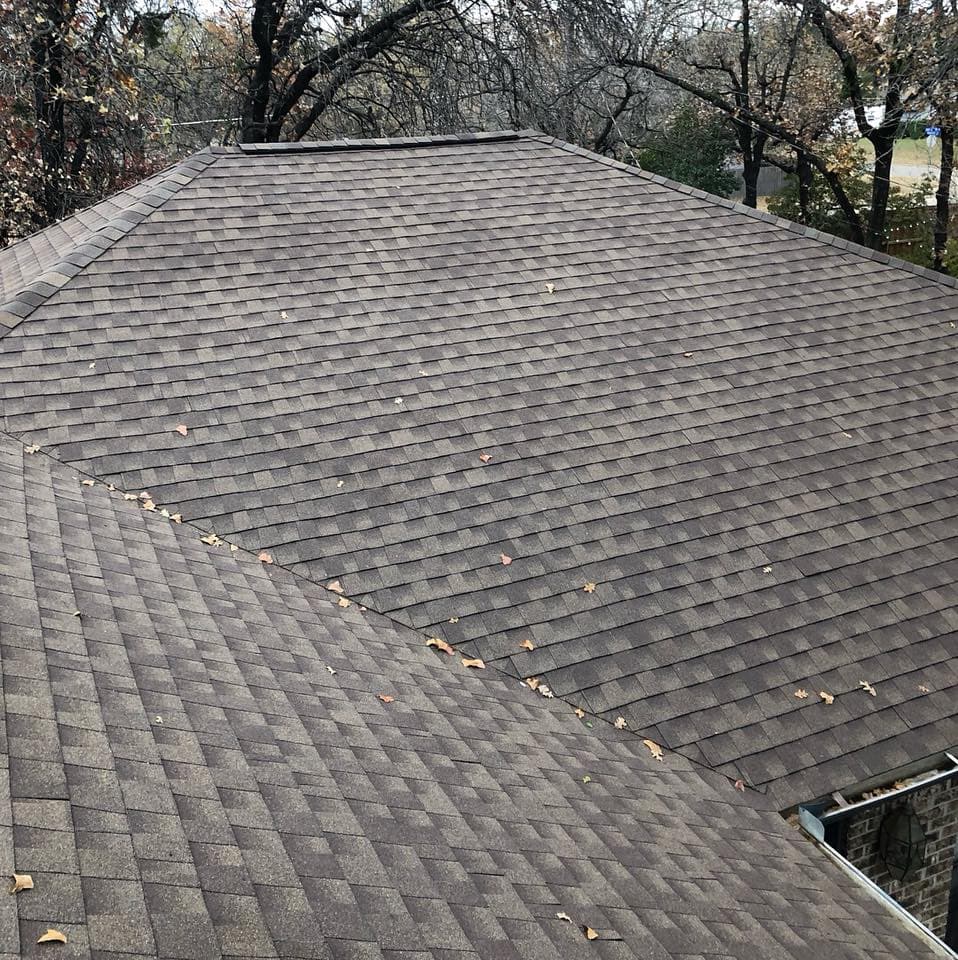
Hail strips the granules that shield the asphalt from UV. The shingle may look intact but its clock has been dramatically shortened. This is the single most under-reported form of roof damage in North Texas.
Straight-line wind breaks the adhesive seal between shingle courses. The shingles stay in place but no longer form a watertight layer, so the next rain gets underneath.
Wind-driven rain finds any compromised flashing or failed boot and drives water uphill into places ordinary rain never reaches.
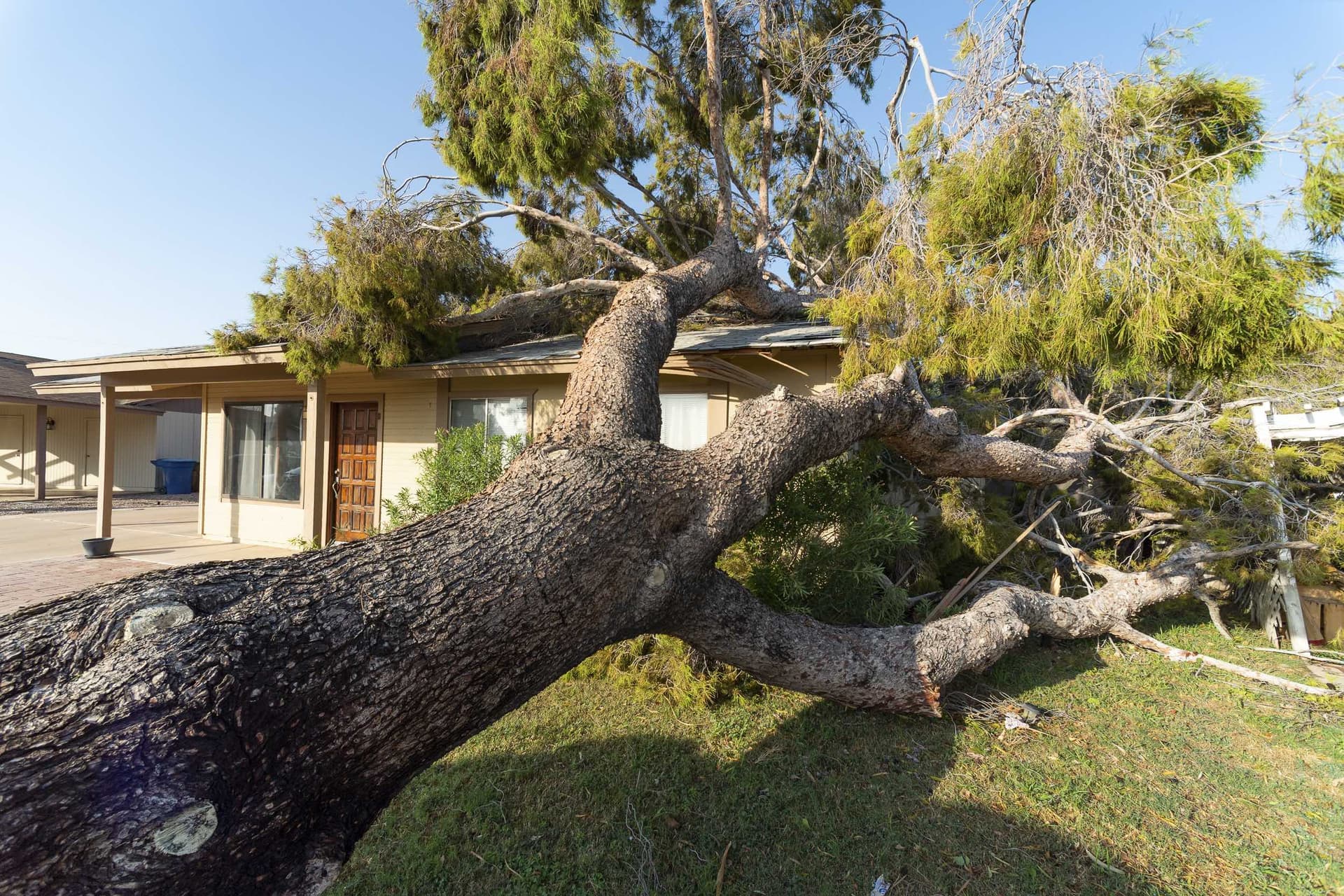
Debris impact from branches punctures shingles and can crack the decking beneath.
Freeze events are less common but harder on a roof than people expect — trapped water expanding in small cracks widens them significantly.
Why documentation decides the outcome
Two homeowners on the same street can have identical hail damage and receive very different settlements. The difference is almost always the quality of the evidence.
An adjuster is assessing many properties after a regional storm event and is working quickly. If the damage is marked, photographed, measured and presented in the format they work in, it gets recorded. If it is not, marginal damage tends to be written off as wear and tear — and once it is in the file that way, it is difficult to reverse.
We inspect and document before you file, and we meet the adjuster on the roof. Our insurance claims service covers the rest of that process in detail.
A word about storm chasers
After every major hail event, out-of-state crews arrive in DFW, knock doors, and offer to "waive your deductible." Two things worth knowing: waiving a deductible is insurance fraud in Texas, and those crews will not be here when your roof needs a warranty claim in three years.
We are based in Arlington, we have been here over a decade, and we will still be here. That is not a sales line — it is the practical difference between a warranty that means something and one that does not.
After the storm
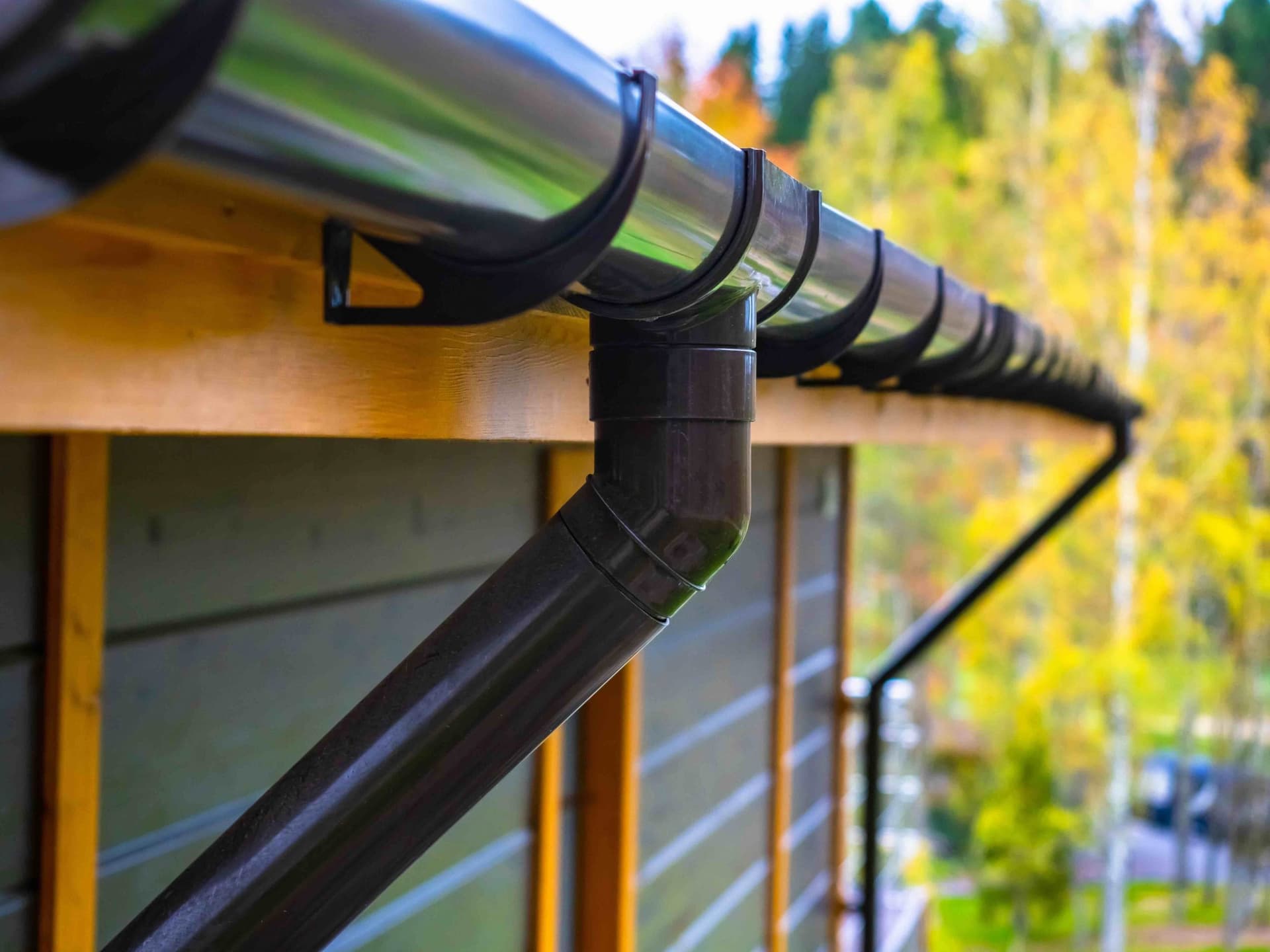
Once the claim settles, the repair itself follows our normal standards: full tear-off where a replacement is warranted, deck inspection, and manufacturer-specification installation. Storms also routinely damage gutters, siding and windows — we assess all of it while we are there, because it all belongs on the same claim.
How a roof storm damage job runs
Emergency make-safe
If water is getting in, that is stopped first — tarping and temporary sealing, usually same day.
Full damage assessment
Every slope inspected and photographed, hail strikes marked, collateral damage to gutters, vents and screens recorded.
Documentation pack
Photos, measurements and a written scope you can submit to your insurer.
Adjuster meeting
We walk the roof with the adjuster so nothing gets missed or written off from the ground.
Repair or replacement
Once the claim is settled we complete the work to manufacturer specification.