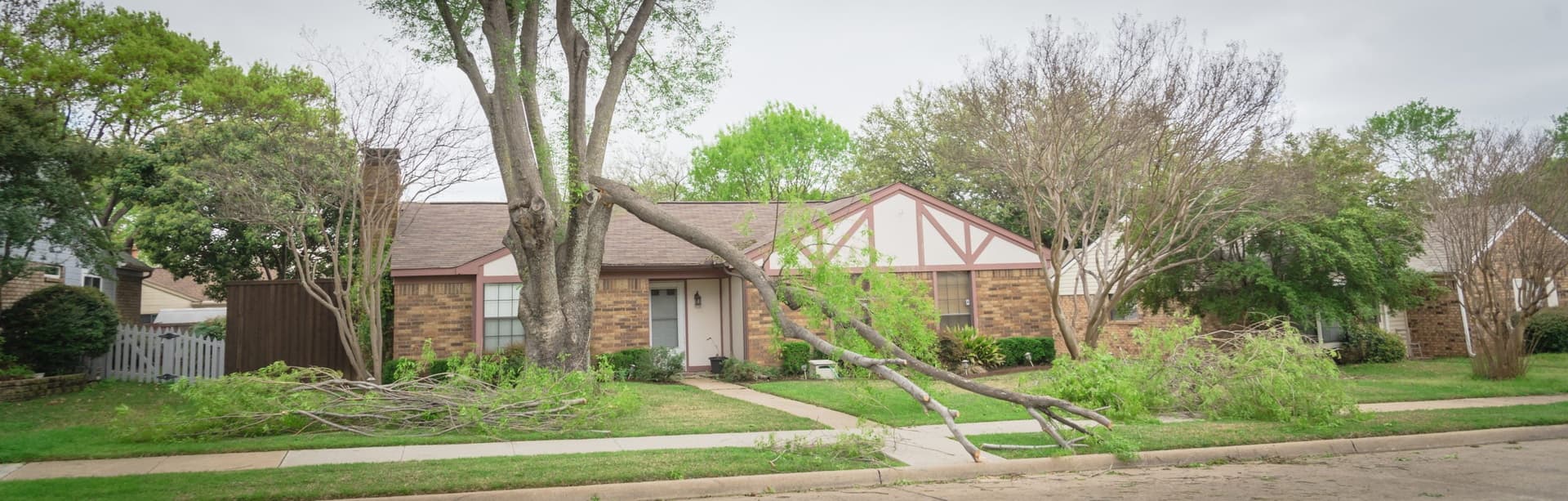
Fort Worth knows what a serious hailstorm looks like. The 1995 Mayfest storm remains one of the costliest hail events in United States history, and it happened here. That history is why Fort Worth homeowners tend to ask better questions about impact-resistant shingles than homeowners elsewhere in the Metroplex.
Fort Worth at a glance
Tarrant County, Texas
- Housing stock
- Historic early-century homes in Fairmount and Ryan Place, mid-century through Arlington Heights and Bluebonnet Hills, and extensive new build along the Alliance corridor.
- Hail exposure
- High. Fort Worth is frequently first in the path of storm systems tracking east across Tarrant and Parker counties.
- Local factor
- Fairmount is one of the largest historic districts in the southern United States, with design review that applies to exterior work.
Neighbourhoods we work in
Fairmount · Ryan Place · Arlington Heights · TCU / Bluebonnet Hills · Westover Hills · Alliance corridor
A city with a hail record
On 5 May 1995, a supercell dropped grapefruit-sized hail on an outdoor festival in Fort Worth. Mayfest is still cited as one of the costliest hailstorms in US history, and it shaped how this city thinks about roofs.
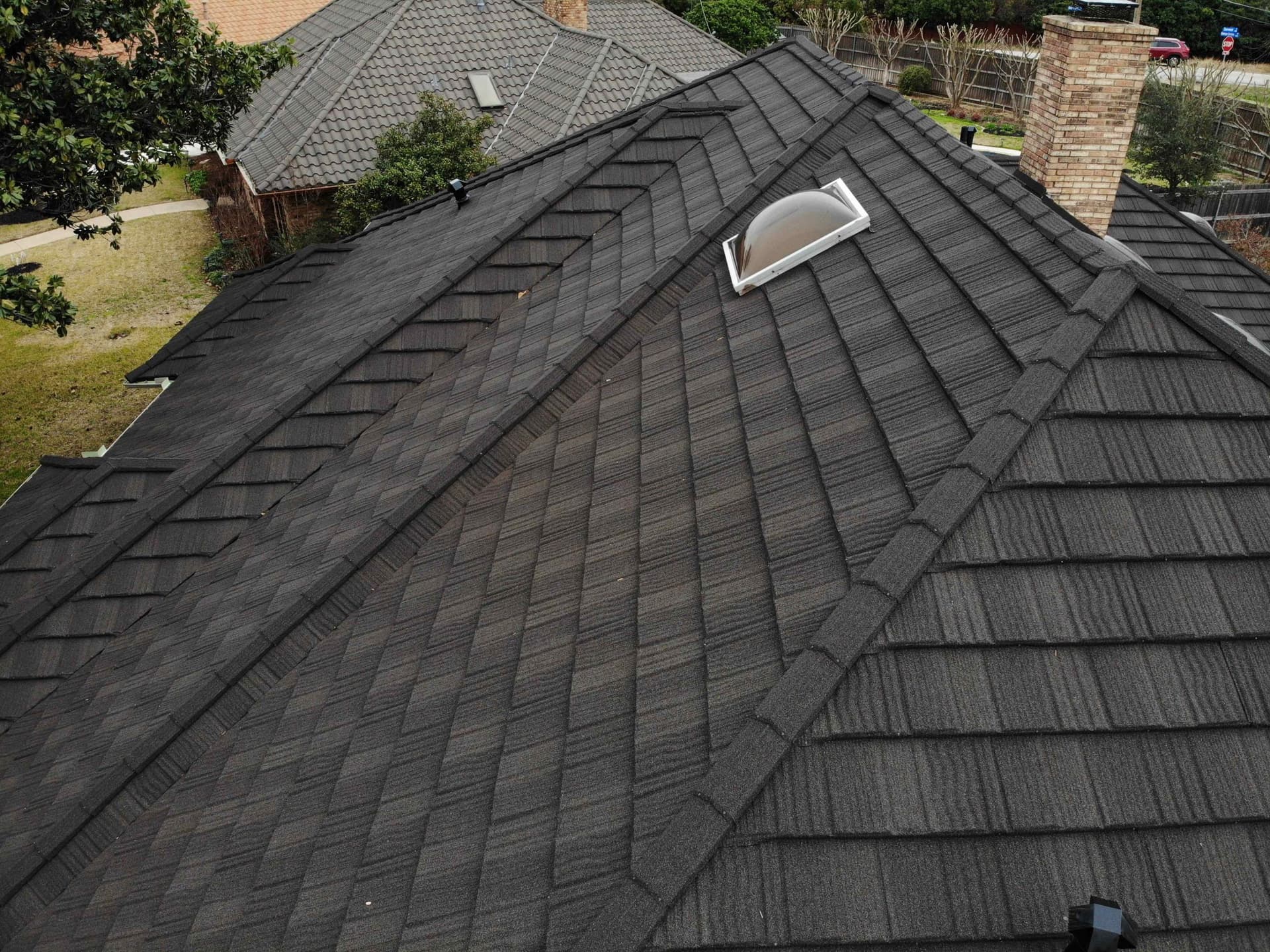
Storm systems tracking east out of Parker County reach Fort Worth first. That means Fort Worth homeowners frequently get the strongest part of a cell before it weakens moving across the Metroplex — and it is the practical argument for impact-resistant shingles here rather than the standard product.
Historic Fairmount and the older districts
Fairmount is among the largest historic districts in the southern United States, and Ryan Place carries similar character. Roofing these homes is genuinely different work.
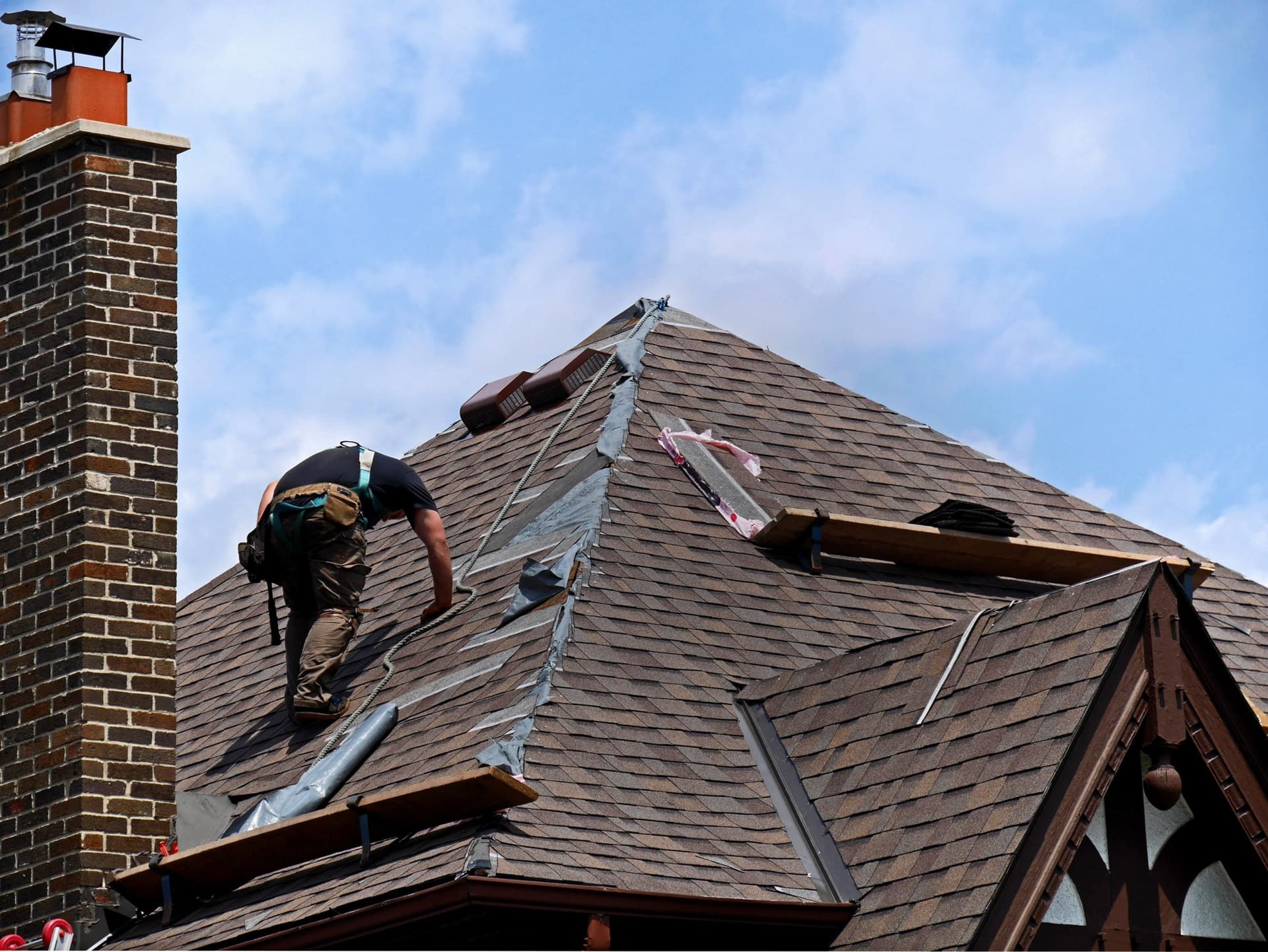
Pitches are steeper. Rooflines are more complicated, with wrap-around porches, dormers and turrets producing valleys everywhere. Decking is sometimes original plank rather than modern sheet material, which changes fastening. And the design review that protects the district's character can extend to roofing material and colour.
None of that is a problem if it is planned for. It is a considerable problem if a contractor discovers it mid-tear-off.
Mid-century and the Alliance corridor
Arlington Heights, Bluebonnet Hills and the neighbourhoods around TCU are largely mid-century — simpler roofs, but many now on their second or third covering, and ventilation frequently built to an older standard that shortens the life of anything laid over it.
North Fort Worth around the Alliance corridor is the opposite: large-scale newer construction, roofed to builder specification. Those roofs are now old enough that a serious hail event does real, claimable damage — and enough of them went up at once that whole streets tend to need attention in the same season.
After a Fort Worth storm
Our storm damage process is the same everywhere: document before filing, meet the adjuster on the roof, and check the settlement scope against what the job actually requires. In Fort Worth we simply do more of it.