In a Texas summer, windows are where a large share of your cooling escapes. Replacing failed or single-pane units is one of the few home improvements that changes how the house feels day to day — quieter, more even temperature, and no hot spot in the west-facing room by mid-afternoon.
Measured individually
Every opening measured on site. Ordering to a nominal size is how draughty installs happen.
Flashing done properly
Most window leaks are installation failures, not product failures. The detailing is the job.
Energy-rated units
Low-E glazing specified for the orientation, which matters a great deal on west elevations here.
When replacement is worth it
- Condensation between the panes. The seal has failed and the insulating gas has gone. This cannot be repaired.
- Draughts you can feel with the window shut.
- Rooms that will not hold temperature, particularly on west-facing elevations through a Texas afternoon.
- Windows that stick, will not stay open, or will not lock. Beyond inconvenience, that is a safety issue on an upstairs bedroom.
- Rot in a timber frame, or corrosion and pitting in old aluminium.
- Single glazing. If you still have it, replacing it is one of the highest-return improvements available on an older DFW home.
Glazing choices that matter here
North Texas has a specific problem: intense, sustained solar gain for months at a time, with west elevations taking the worst of it.
Low-E coatings reflect infrared while passing visible light. This is the single most important specification decision for this climate.
Double glazing with an argon fill insulates substantially better than air-filled units, at modest additional cost.
Warm-edge spacers cut conduction at the perimeter of the glazing unit, where a surprising proportion of the heat transfer happens.
Frame material matters more than people expect. Old aluminium frames conduct heat straight through regardless of the glass fitted into them.
We will specify differently for a shaded north elevation than for a west-facing living room, because the requirements genuinely are different.
Installation is most of the outcome
A well-made window fitted badly performs worse than a modest window fitted well, and nearly every window leak we are called to inspect is an installation failure rather than a product defect.
The parts that matter: the opening measured individually rather than assumed; any rot or movement in the surrounding structure repaired before the unit goes in; the window set genuinely level and square, because a racked frame will never seal or operate properly; correct flashing and sill pan detailing so water that gets past the trim is directed back out; and the perimeter properly insulated and sealed rather than stuffed with offcuts.
Windows, storms and claims
Hail cracks glass, dents frames and shreds screens. Because screens and soft metals mark so readily, they are often the clearest available evidence of how severe a hail event actually was — useful well beyond the windows themselves.
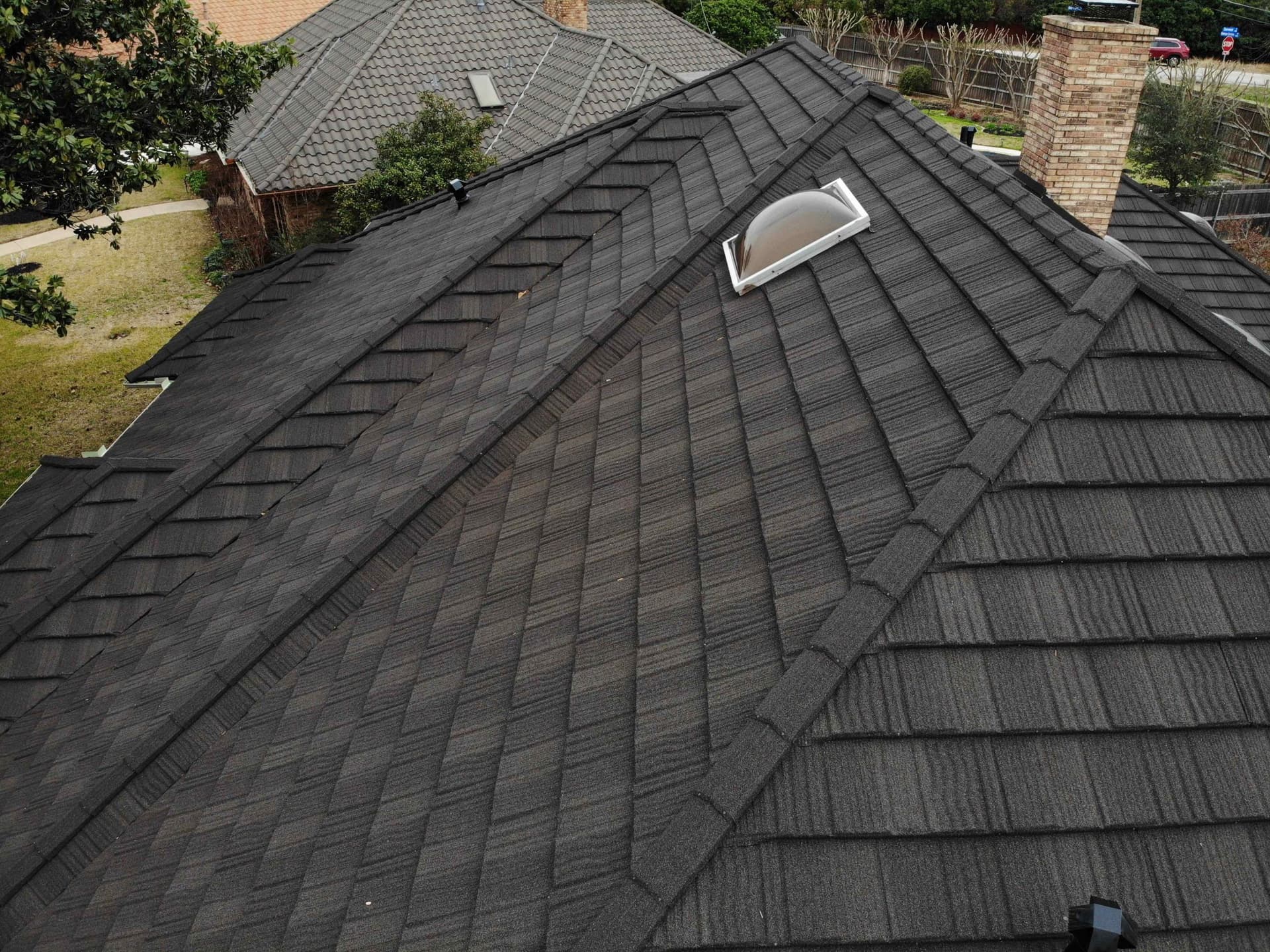
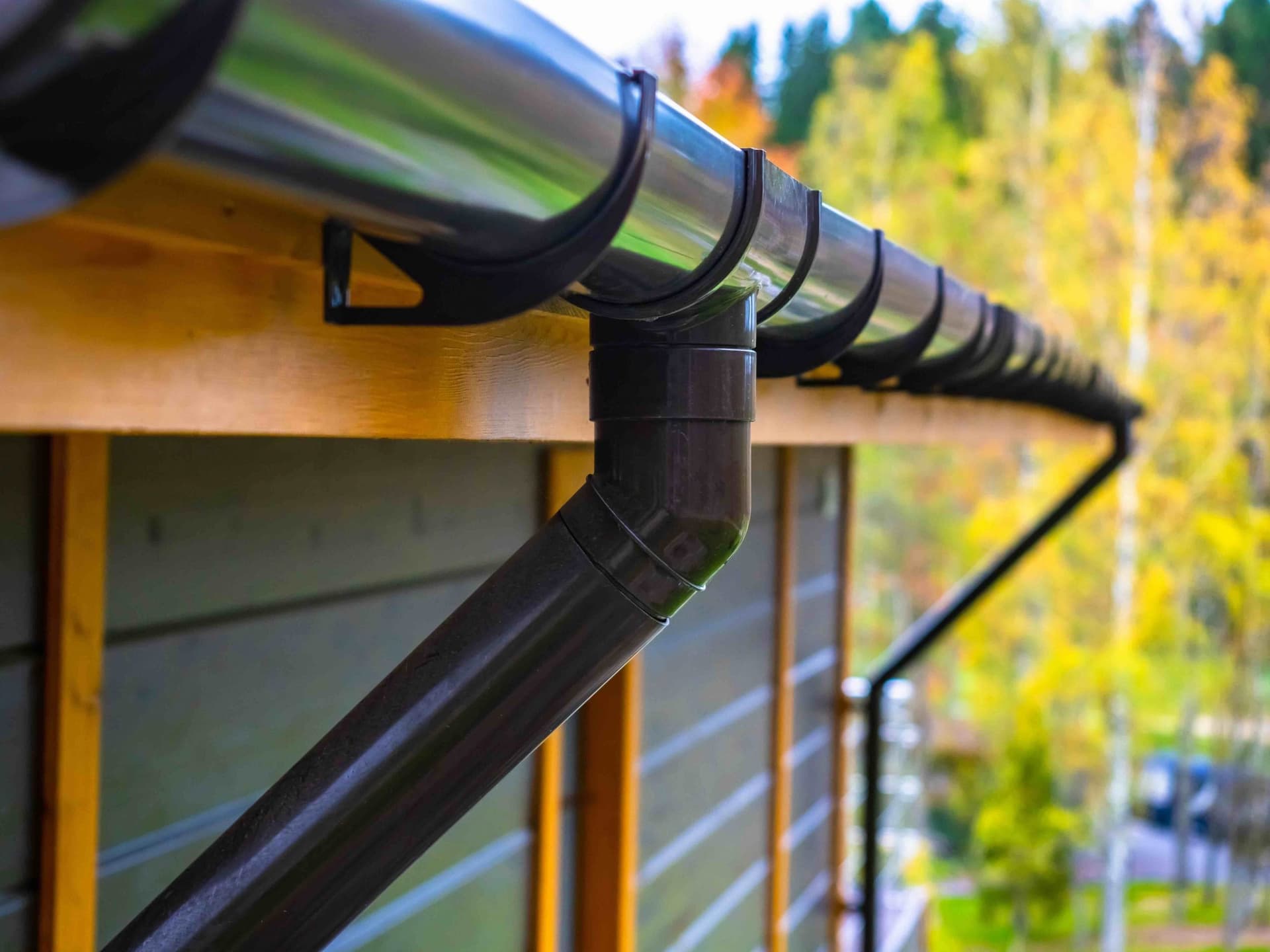
If a storm has been through, we assess windows alongside the roof, siding and gutters, and put all of it into one documented insurance claim. Also see quick fixes for drafty windows.
How a window installation job runs
Assessment and measurement
Each opening measured, frame and surrounding structure checked for rot or movement.
Specification
Frame material, glazing package and operation type chosen per elevation and budget.
Removal
Old units out, opening inspected. Any damaged framing repaired before the new window goes in.
Installation and flashing
Set level and square, flashed and sealed correctly, insulated at the perimeter.
Trim and finish
Interior and exterior trim made good, operation tested on every unit.