North Richland Hills sits in the Mid-Cities between Fort Worth and the northeast Tarrant suburbs, with a housing stock that spans mid-century ranch homes through to the newer, denser Home Town development. It is a city where the right answer varies a lot street by street.
North Richland Hills at a glance
Tarrant County, Texas
- Housing stock
- 1960s–80s suburban development across much of the city, with newer higher-density housing at Home Town NRH and surrounding infill.
- Hail exposure
- Regular. Northeast Tarrant County is in the path of most spring storm systems crossing the Metroplex.
- Local factor
- The newer Home Town area has closer-set housing and different roof geometry from the older ranch neighbourhoods.
Neighbourhoods we work in
Home Town NRH · Smithfield · Diamond Loch · Fossil Creek · North Ridge
Two eras of housing, two kinds of job
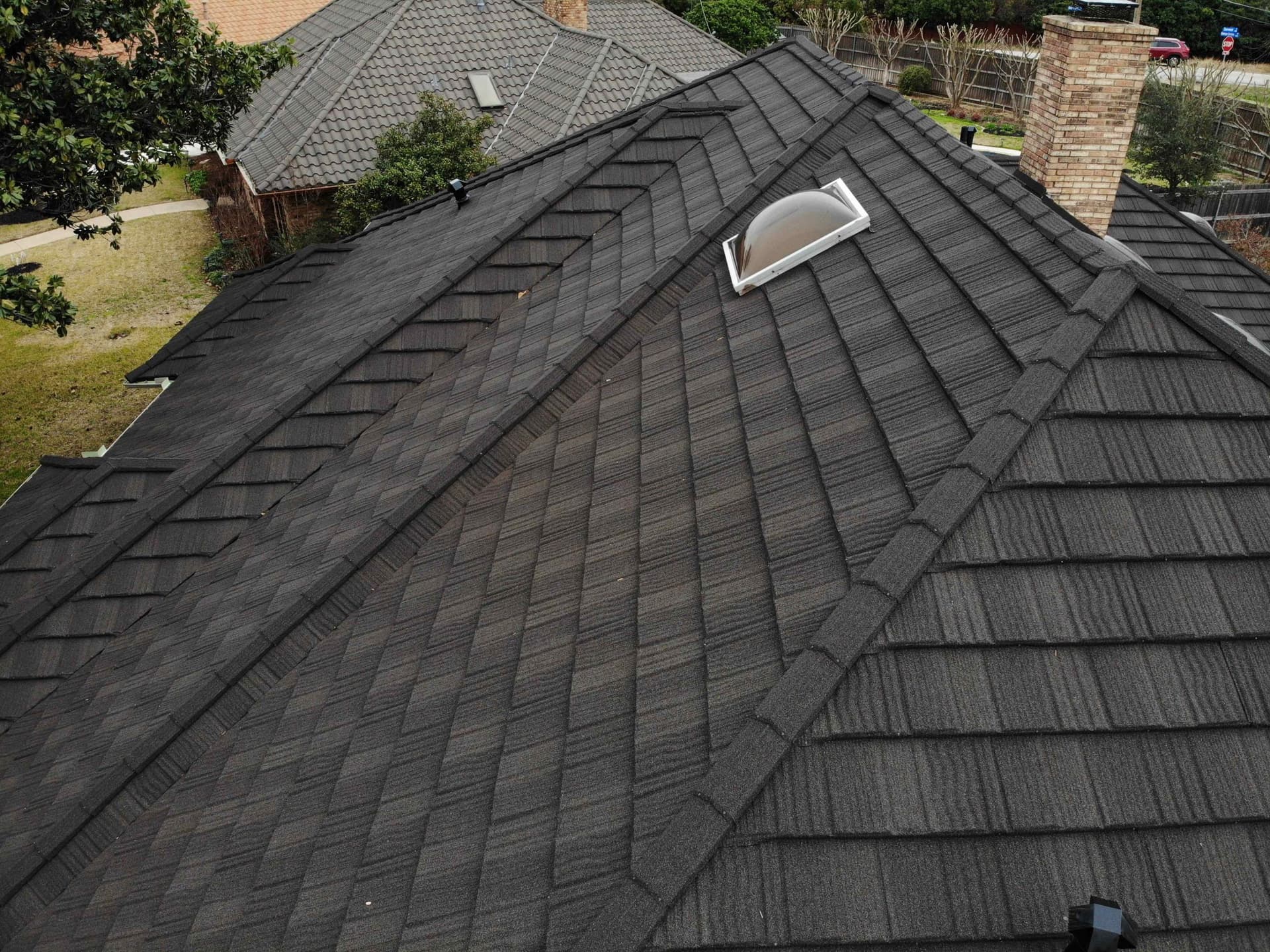
Most of North Richland Hills was built between the 1960s and the 1980s: single and two-storey suburban homes on generous lots, with simple roof geometry and, in a lot of cases, attic ventilation built to a standard that has since been substantially revised.
Those are straightforward roofs to replace, provided the ventilation gets corrected at the same time. Summer heat trapped in an under-ventilated attic degrades shingles from the underside, and it is the most common reason a new roof in this part of Tarrant County fails to reach its rated life.
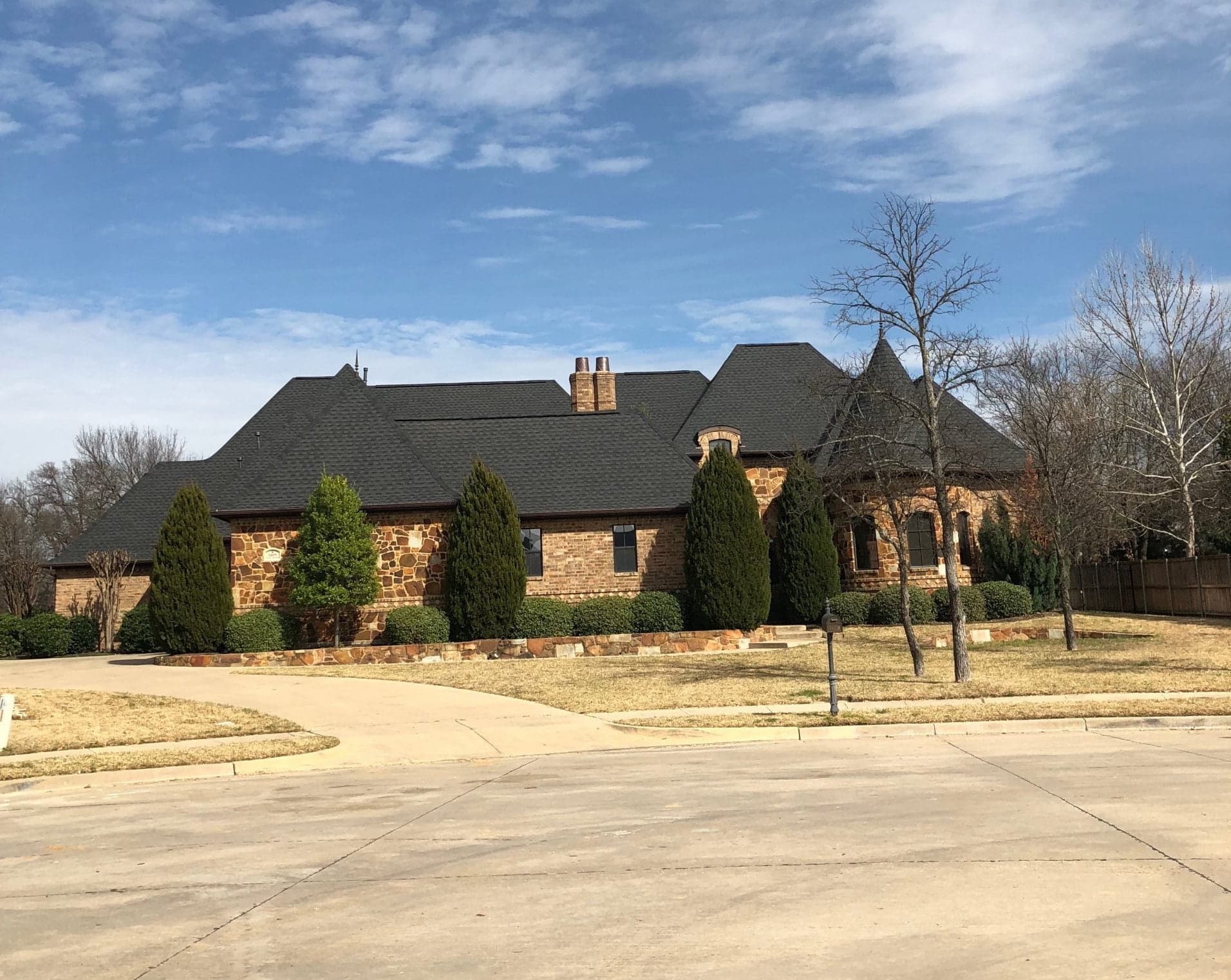
Home Town NRH is a different proposition. Closer-set housing, steeper pitches, considerably more roof visible from the street, and tighter access for equipment and material handling. Appearance carries more weight in the specification here, and the logistics need planning rather than improvising.
Storm season in the Mid-Cities
Northeast Tarrant County is in the path of most spring systems crossing the Metroplex, and North Richland Hills takes its share.
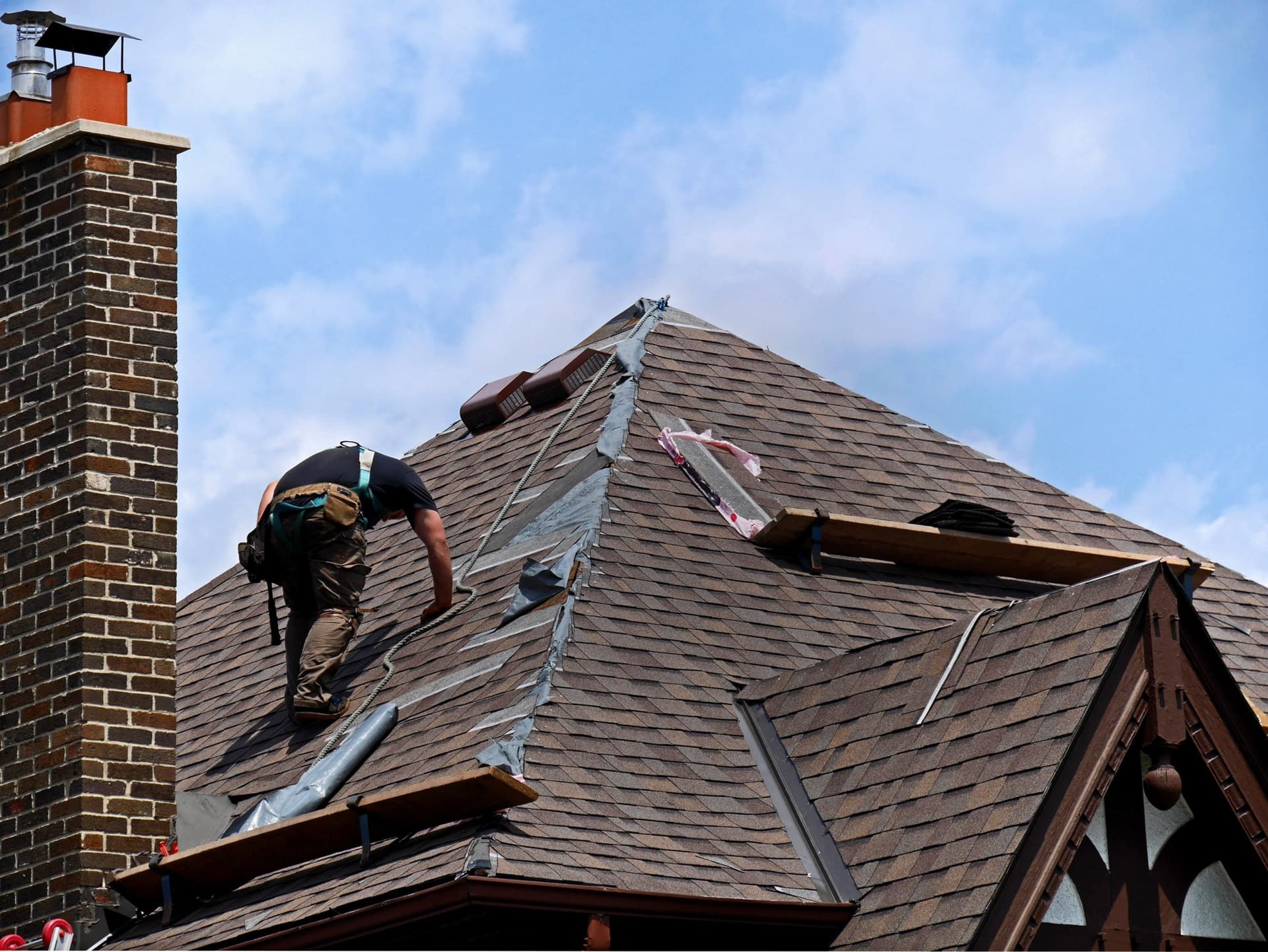
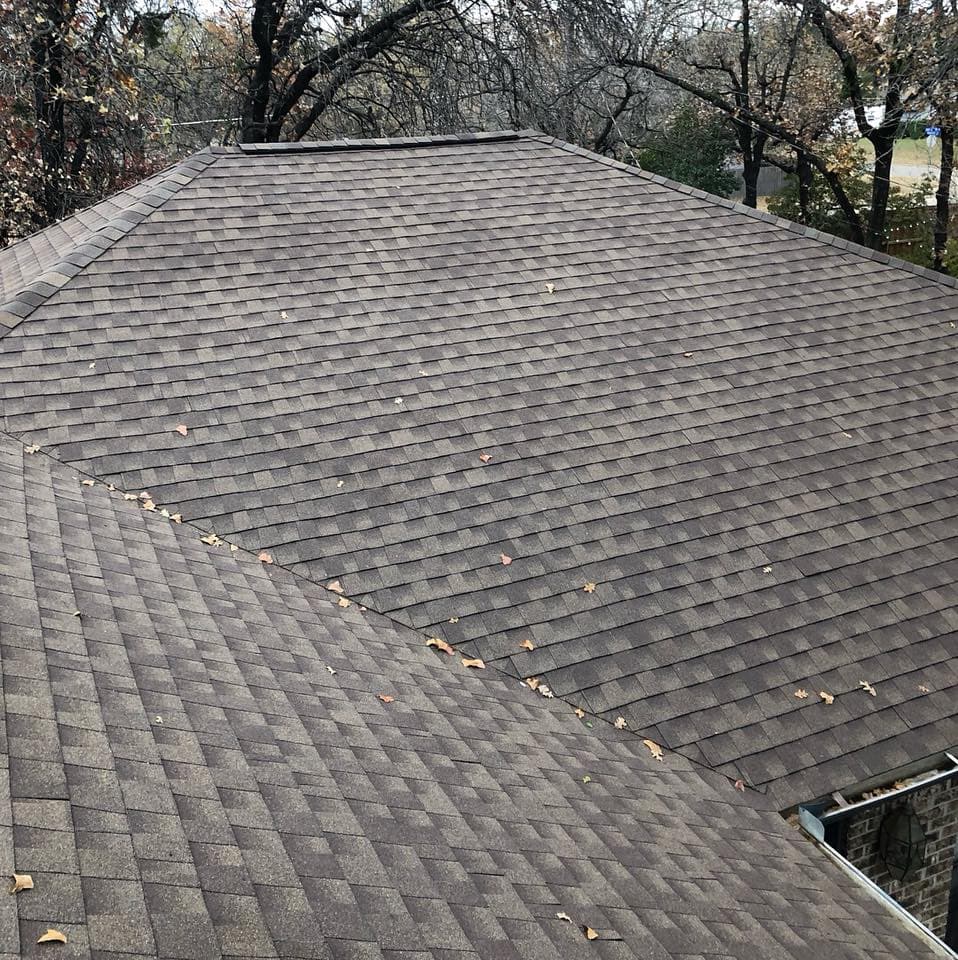
What we typically find afterwards is not dramatic. Granule loss concentrated on the south and west slopes. Seal strips broken along the ridges so shingles sit loose. Dents in vents, gutter aprons and window screens — soft metals show hail far more clearly than shingles do, which is why they are often the most useful evidence in a claim.
The reason so much of this damage goes unclaimed is simply that none of it is visible from the ground. By the time it announces itself as a leak, the policy's reporting window has usually closed.
Roof and gutters together
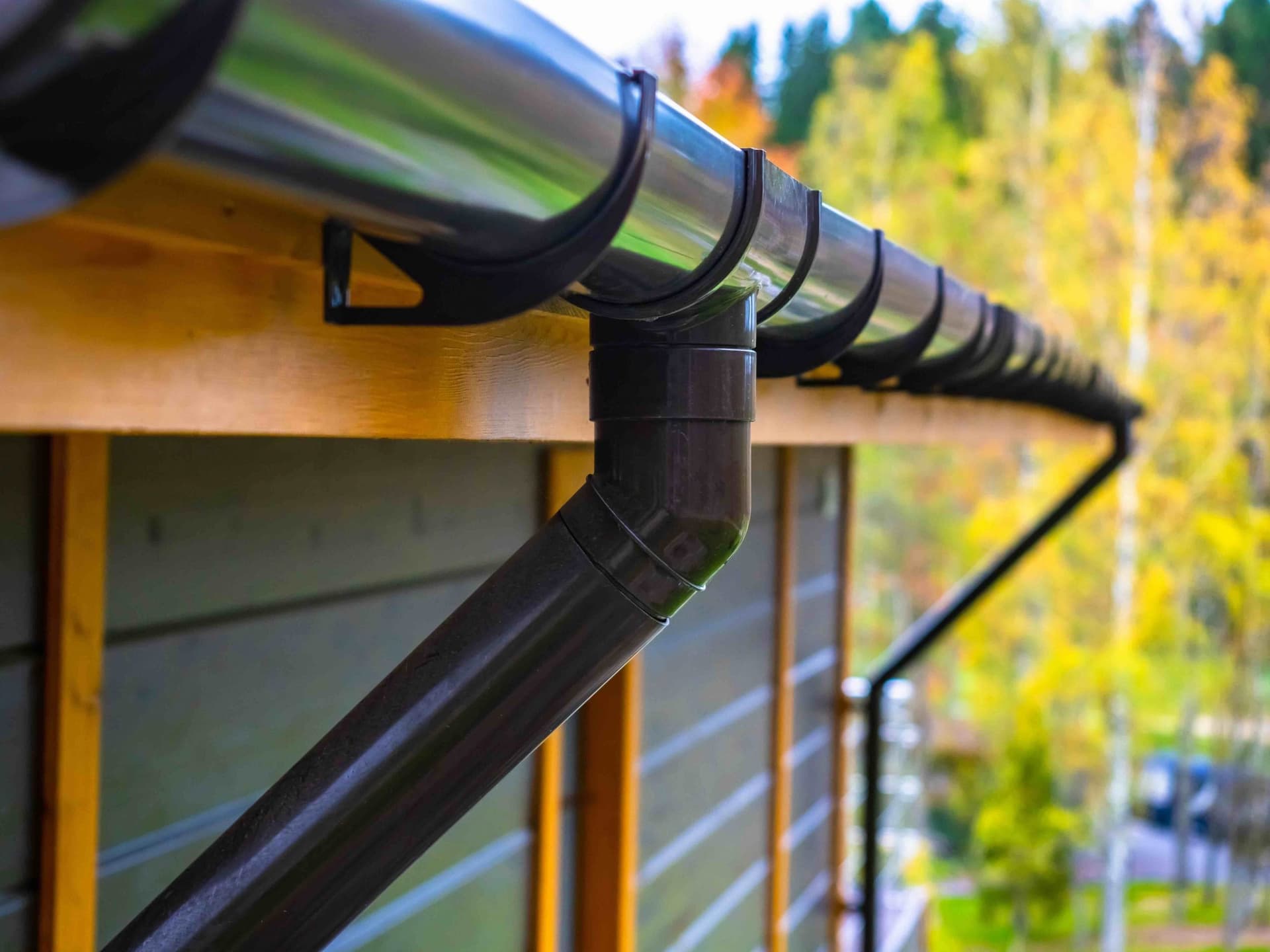
Given how much of the older housing here has original or first-replacement gutters, it is worth assessing both at once.
Undersized or sagging gutters back water up under the roof edge, which rots decking from a direction nobody thinks to check. And doing both while access equipment is already on site costs meaningfully less than two separate jobs.